
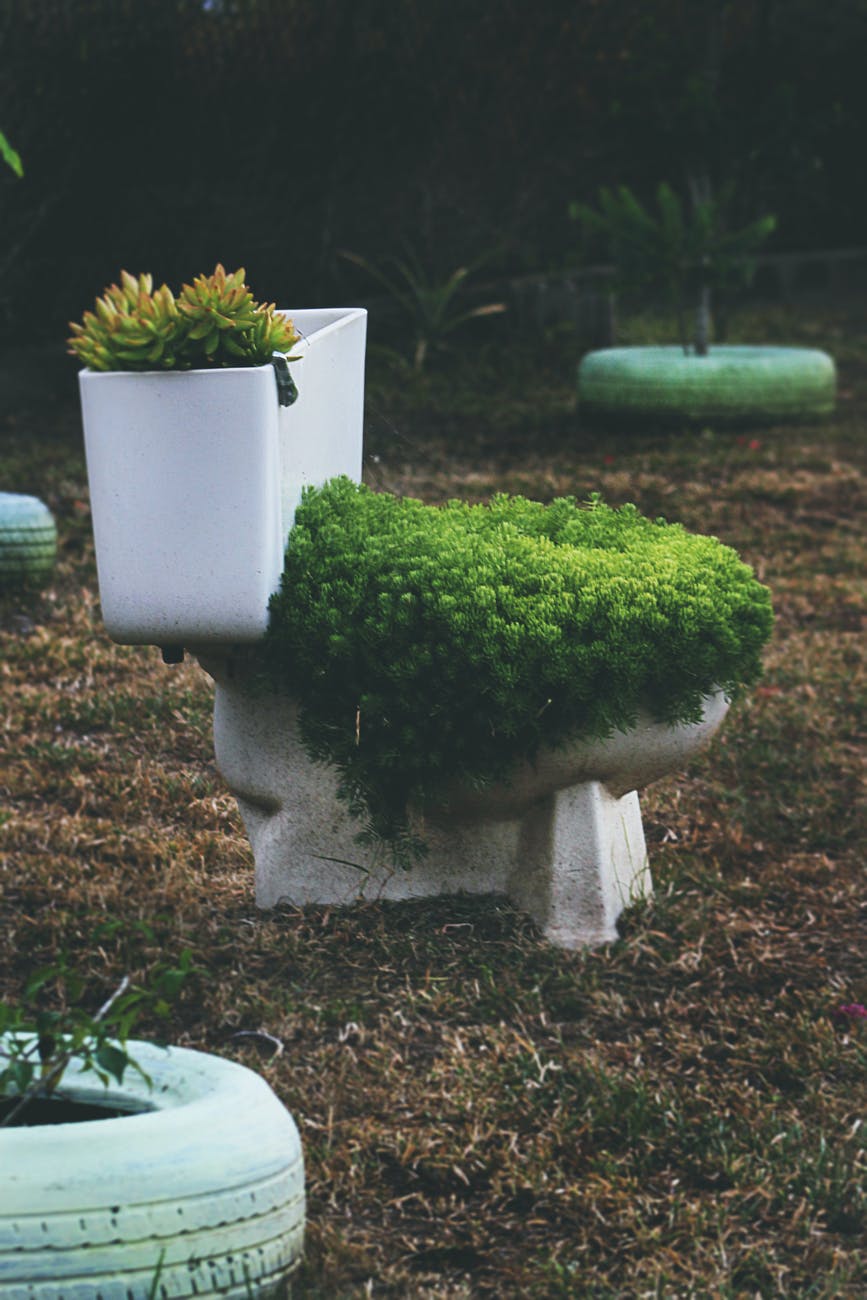
Do you have an ancient commode? Don’t flush it away! With Toilet Recycling, you can transform your old loo into a water-saving superhero!”
Okay, you probably think we’ve gone too far with Toilet recycling. Seriously, gross! Now you’re going to RECYCLE somebody’s used the toilet? Aren’t old toilets bad for the environment?
Honestly, I’m not a fan of the “toilet planter” as a way to keep an old toilet out of the landfill.
Some of you already know that our shipping container house is our Great Recycling Project. One thing we’re recycling is a non-water-saving toilet.
As a kid, our community project was to reduce water consumption by placing 2-liter soda bottles (filled with gravel or water) in the toilet tank. But technology has come a long way since then.
In this article, we will answer the questions:
- Why did we decide on toilet recycling?
- What products do we use to make it look and work like “Brand New”?
- And how we converted it into a low-flow toilet.

Why did we decide on toilet recycling?
One of our containers was originally made into a dwelling. The bathroom had a water-saving toilet installed.
Unfortunately, during the relocation of our shipping container, no crane or other equipment was available to unload the container onto our property. As a result, the truck driver literally just dropped it and left.
The original toilet broke. So we had to replace it.
As it happens, some friends of ours were remodeling their house and offered us their old toilet. I know it may sound gross to some of you. It was a classic American Standard lavatory, a high-quality one that uses lots of water (like 5 gallons) per flush.
What products did we use on the Loo to make it look “Brand New”?
Well-water plus uratic salts caused massive mineral deposits that completely clog up the toilet from flushing over time, which is one of the reasons our friends were getting rid of their old toilet in the first place.
We took precautions to fix the toilet blockage problem and used the appropriate PPE (safety glasses, rubber gloves, and a face mask) in a well-ventilated area.
We Unblocked the scaling using 1 gallon of muriatic acid**, a plastic washing pan, and a metal spatula. We kept running the acid through until it was descaled entirely and would flush adequately.
**Please follow the EPA instructions for proper chemical disposal in your area.
The cleaning took a better part of the day and some elbow grease, but the results were worth the effort; now it’s as good as new.
To make the outside of the lavatory look new, we used “bar keeper’s friend,” which you can find in a powder or cream. I also like to use a similar product from “Cif.”

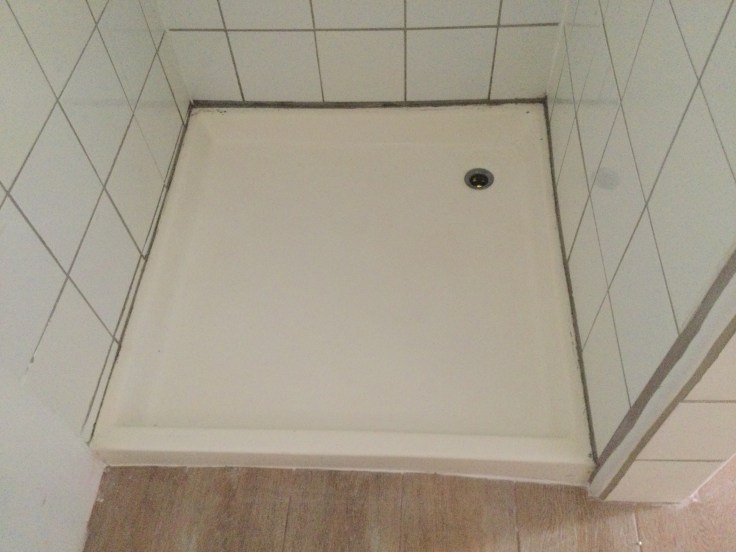
I got impressive results on the porcelain toilet, the fiberglass shower, and the stainless steel kitchen sink. In addition, they don’t smell much, so they don’t bother my allergies.
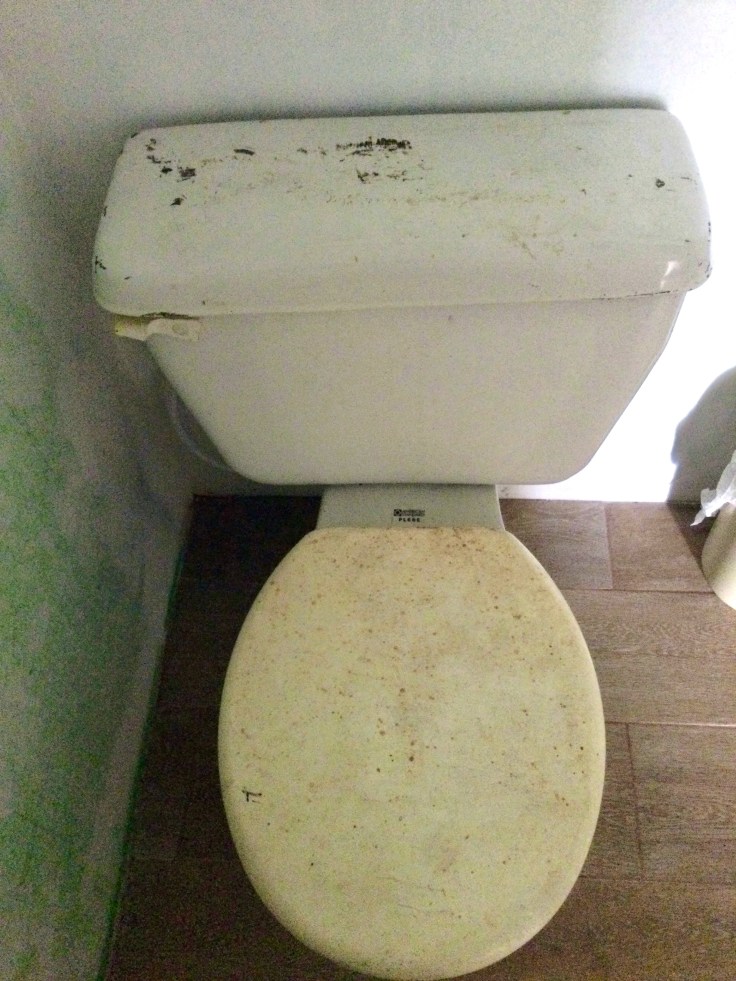
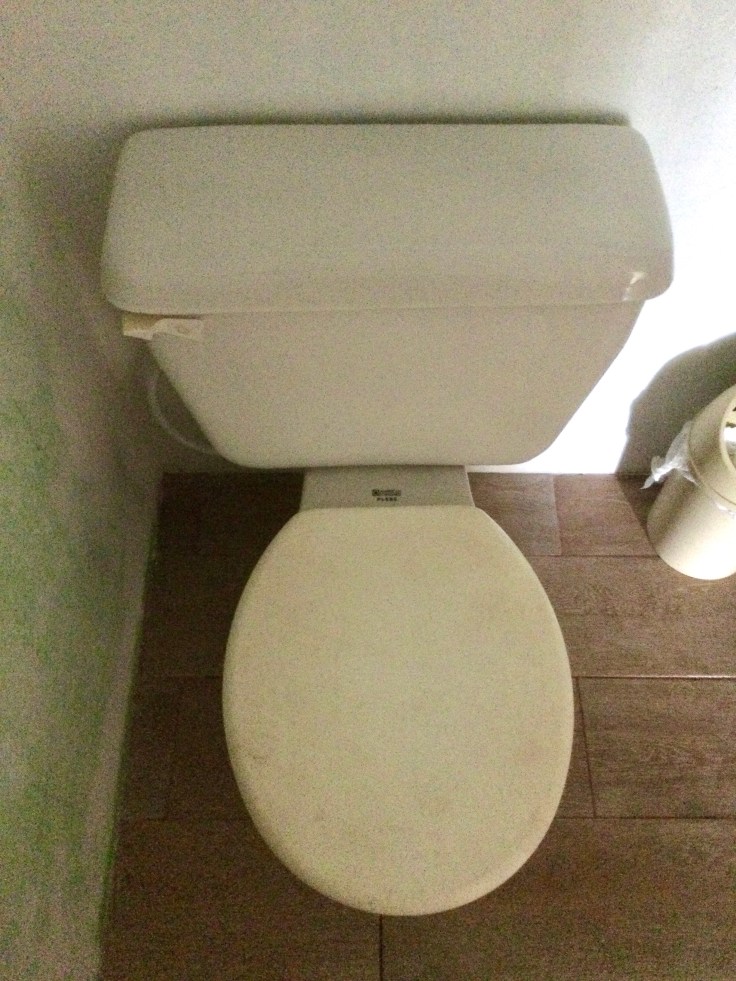
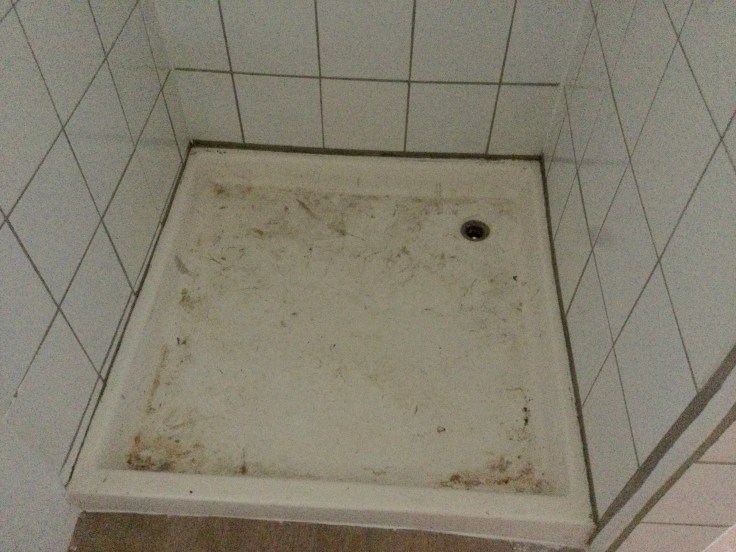
Water conservancy and recycling
Saving water in the toilet also saves you money in your pocket. In our case, water conservation is critical because we have a limited water supply. Generally, the city sends water to us once a week, so we have to store and look for ways of not wasting this precious commodity.
However, we should think more seriously about water conservation, no matter where we live or our circumstances.
So finally, after all that cleaning on our recycled toilet, we still had a problem with high water consumption. So, we temporarily decided to place a 2-liter soda bottle inside the tank filled with water (you can also use sand or gravel). The filled bottles displace the water, so less water is used with each flush.
Even after using the displaced water control method, we tried to use only half flushes whenever possible.
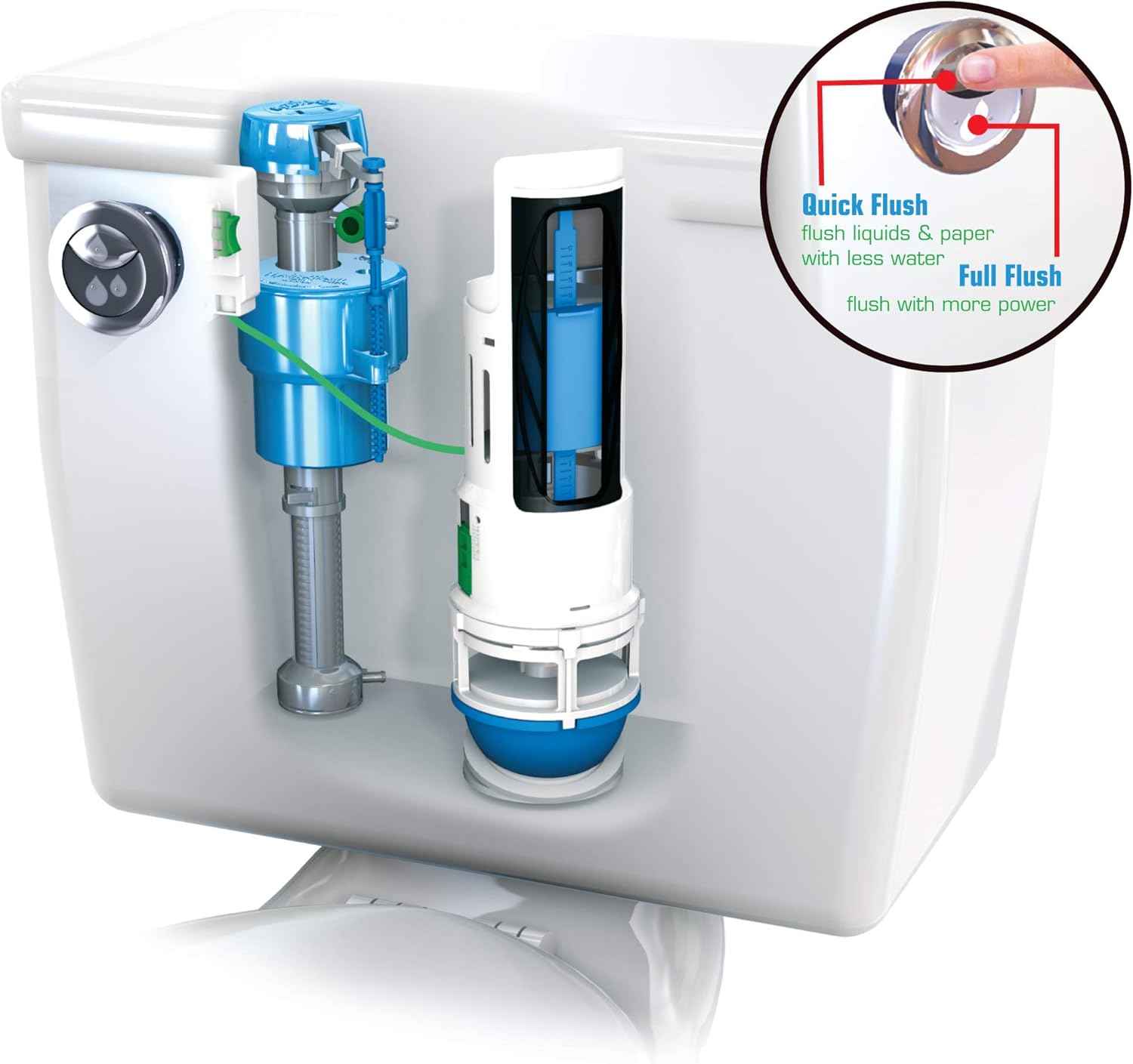
So, to make our lives a little more convenient and environmentally friendly, we purchased a dual flush converter system. This water-saving toilet flush valve has two water level settings.
How we converted it into a low-flow toilet
Converting your old John into a water-saving toilet is a simple DIY project. There is no need to recycle your old toilet into a flower pot. To reduce the water consumption of each flush, we added a dual flush toilet handle and bidet sprayer.
The dual flush system and bidet sprayer were easy to install. Not many tools were required, and the setup took less than an hour.

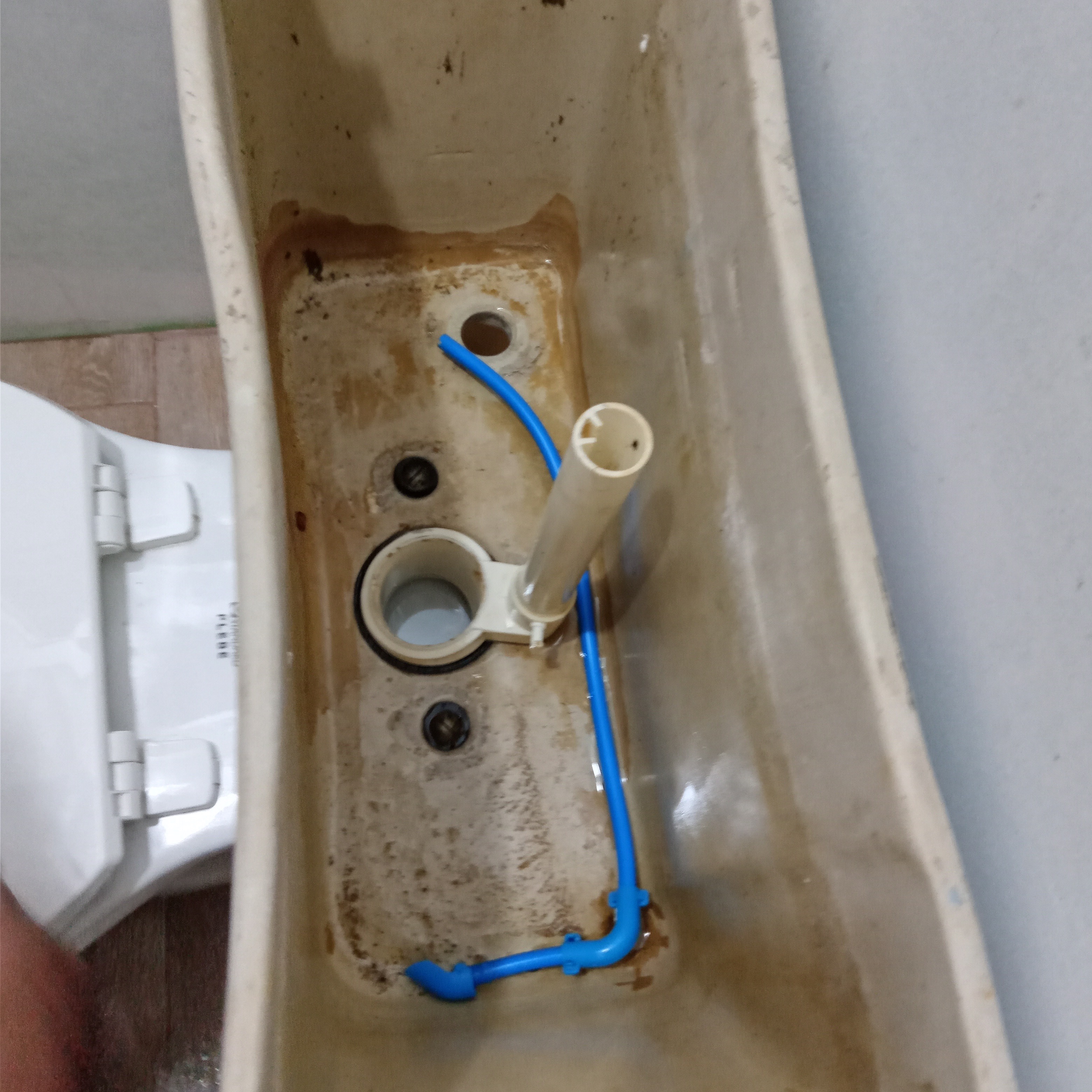
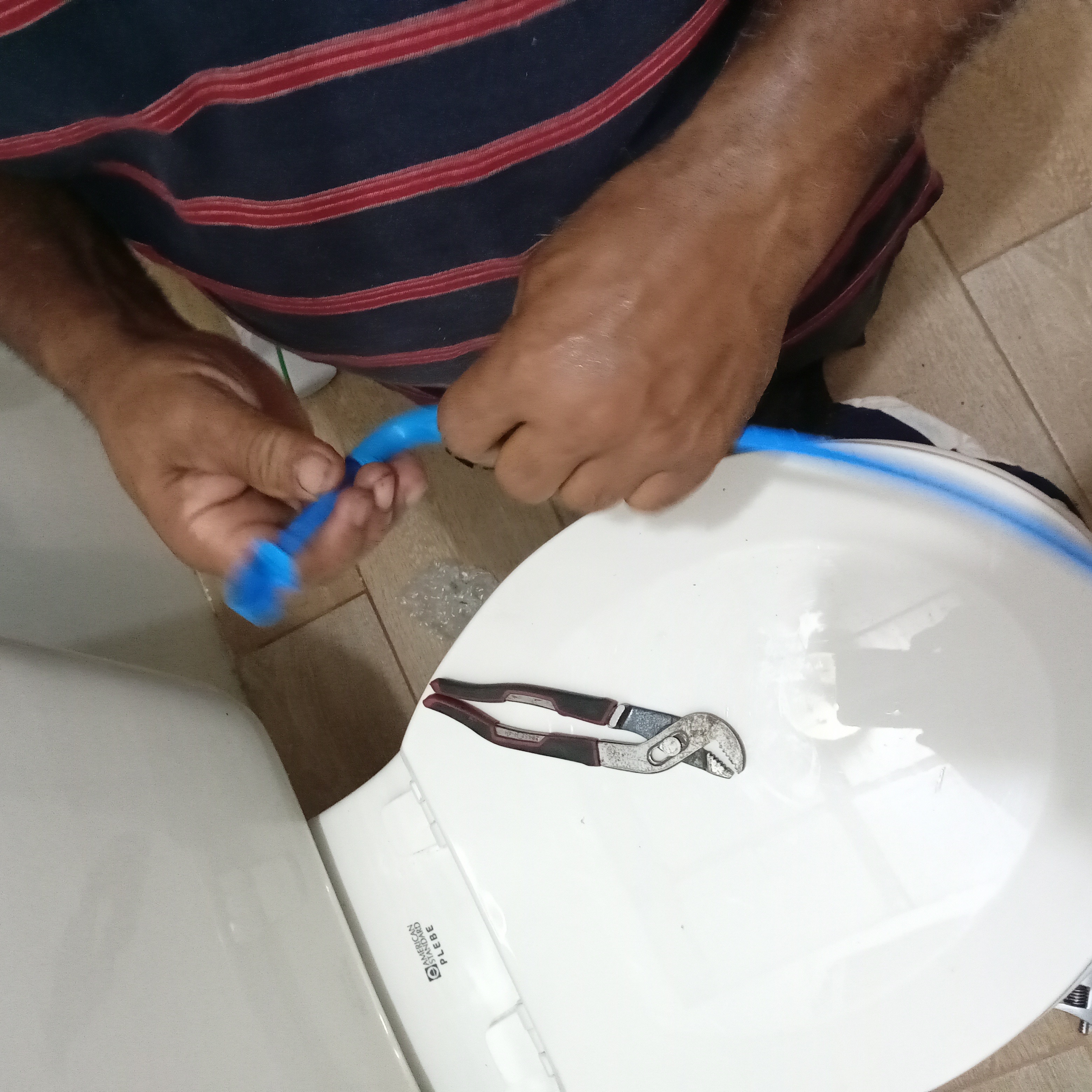
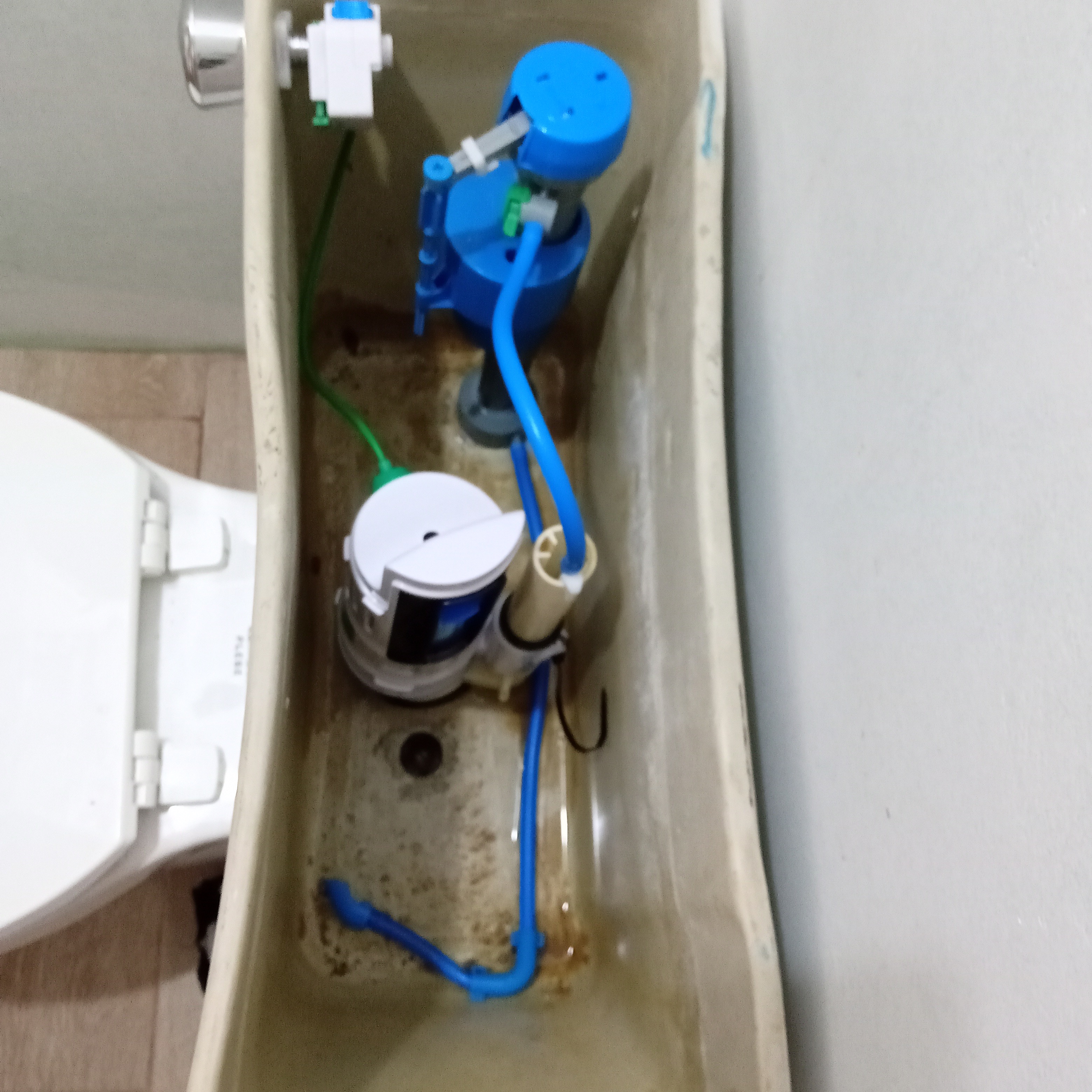
Apart from being affordable, we really like how many adjustments there are. You can set it to the perfect amount, so you get a clean bowl every time without any extra wasted water.
With this model dual flush system, we discovered that we need full water pressure (30-40psi) for the tank to fill correctly. Most of the time, we rely on a gravity-feed 250-gallon water storage tank on the roof.
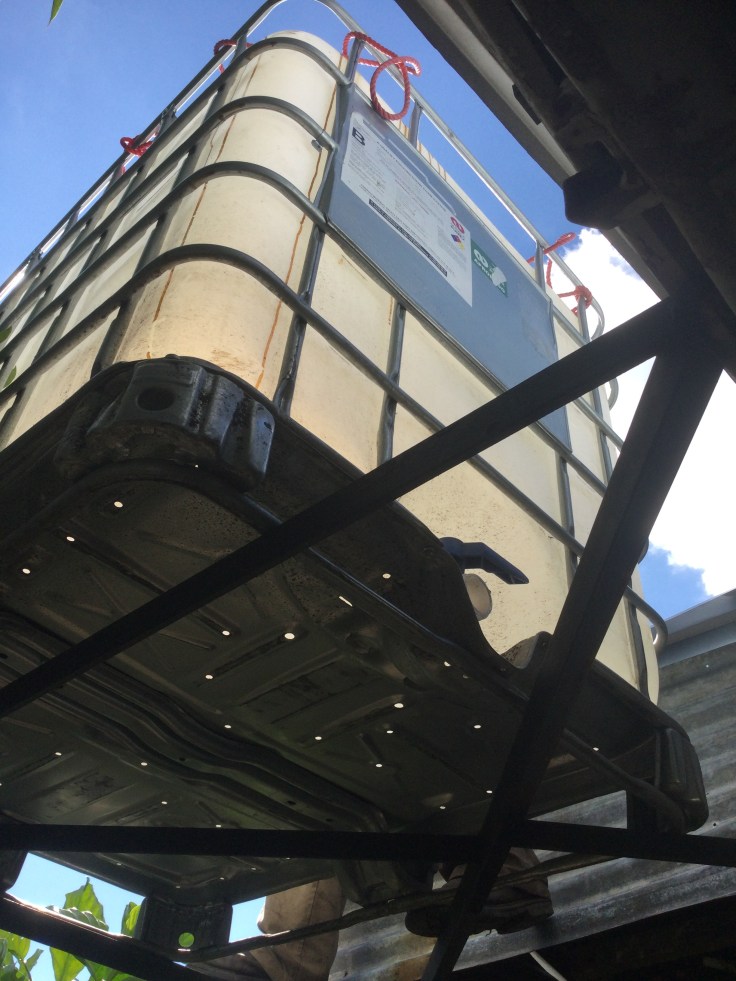


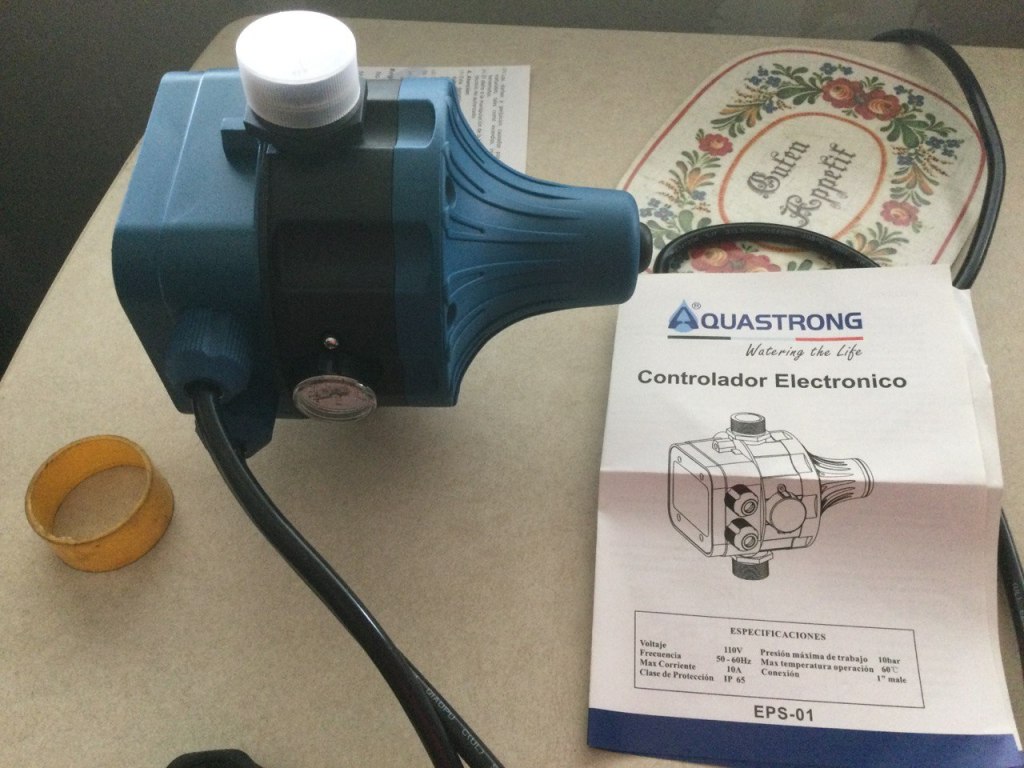
We’re also installing a Tinaco type of cistern and a water pressure pump that turns on when you open the water to pressurize our water lines. So now


Tell us about any water-saving tips you might have and if you are interested in recycling!

**We are an Affiliate Associate of Amazon.com. We get a small percentage of the sale when you buy something through our links. This helps us keep the site running and provide you with great content. Thanks again for supporting us!
 4 Walls Overnight